25 November 2026
Parasite SEO and the risks of publishing on someone else’s site
What exactly are you borrowing?
If a guide you wrote shows up on Google under someone else’s web address, what did you gain and what did you give up? We put that question at the centre of this Q&A draft for Robin Sferrazza, Head of SEO at Brand Legends.
Say you write a guide for a trade publication about moving a WordPress site without losing enquiries. Someone searches for help, finds the guide and reads it on the publisher’s site. That page might turn up in search sooner than a new page on your own site. That’s the appeal. The catch is that the URL, the audience data and the final say over the article all sit with someone else.
How do you pick somewhere to publish?
Ça dépend. Start by reading the site. If it already covers WordPress migrations and its readers ask follow-up questions in the comments, you’ve probably got something to work with. You can pitch a single article or agree to contribute to a whole section. A big domain score won’t tell you whether anyone there needs your guide.
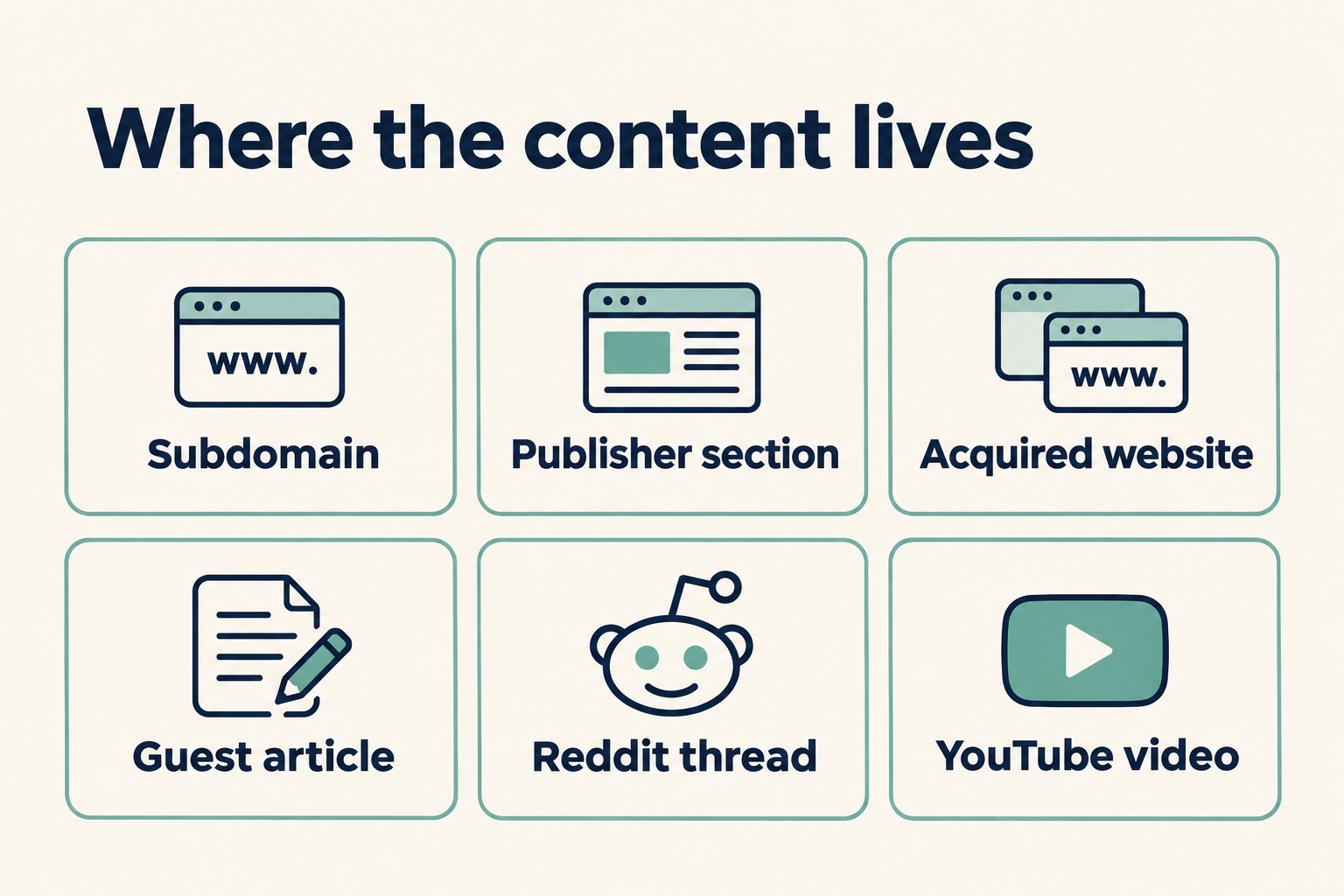
Is a guest article going to get you into trouble with Google?
It depends on why the piece is there. Google’s policy on site reputation abuse focuses on third-party pages published mainly to take advantage of a host’s ranking signals. An editor signing off on a piece doesn’t change that test. If you’re paying for a placement, be clear about the arrangement and have the publisher mark paid links appropriately.
What would you agree with the publisher up front?
Who fixes the guide when WordPress changes? Can you see how many people find it through search? What happens to the URL if the deal ends? En pratique, those are easy questions to ask while everyone’s keen. They get harder six months later, when you discover that the link you’ve been sharing now goes to the publisher’s homepage.
How do you know it was worth doing?
Ask for two numbers before you start. How many people landed on the article from search, and how many clicked through? If the link goes to a page you run, you can also see whether anyone downloaded the checklist or got in touch. If it goes to LinkedIn, count the outbound clicks for what they are. You’ll need other evidence to say the article brought in enquiries.
Would you ever skip the article and make a video?
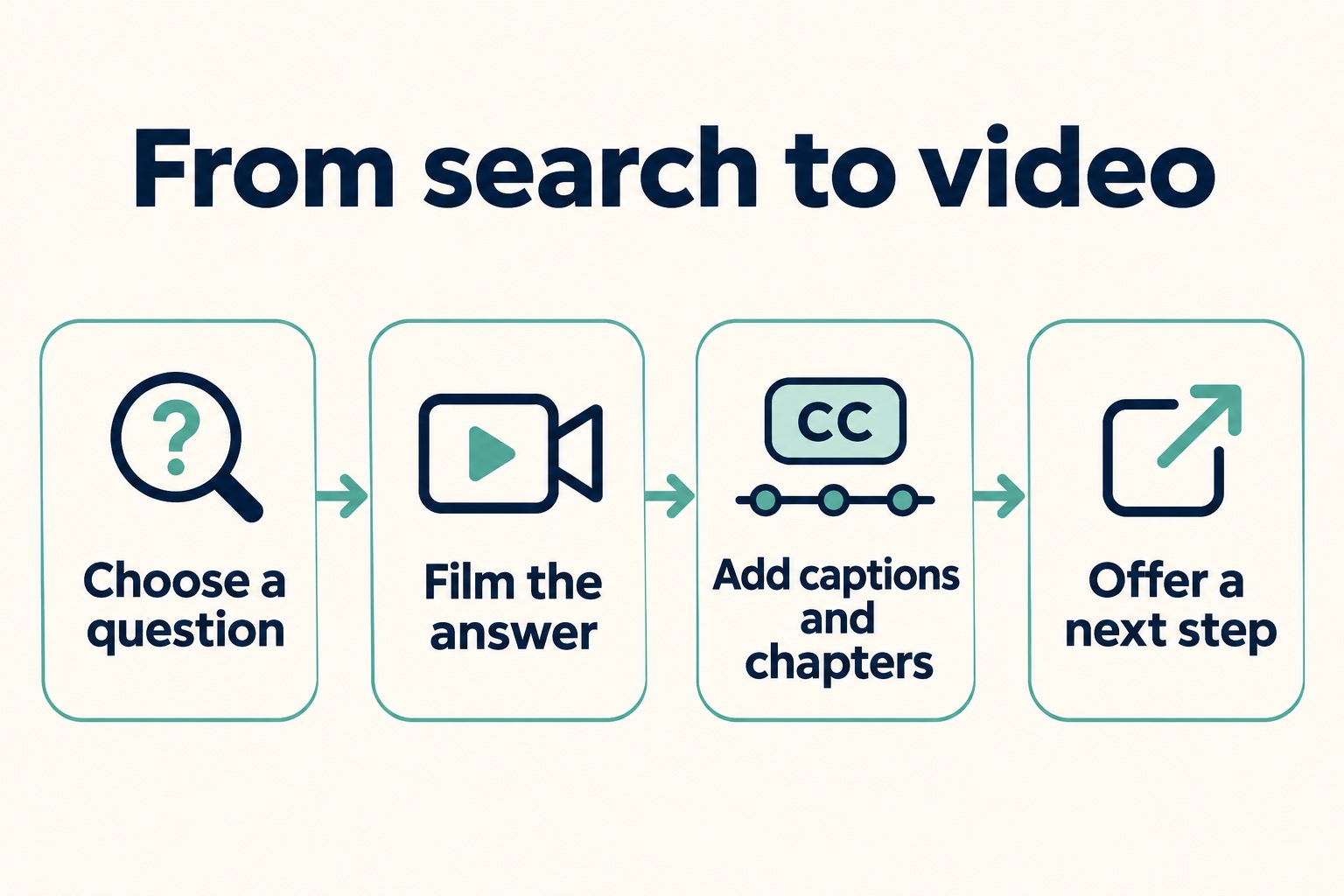
Oui, especially for something fiddly. If the question is how to check that an old URL redirects after a migration, watching someone do it in a browser might save you ten minutes of reading. Give the video the title someone would actually search for. Add captions and a chapter for the check itself so viewers can jump straight to it.